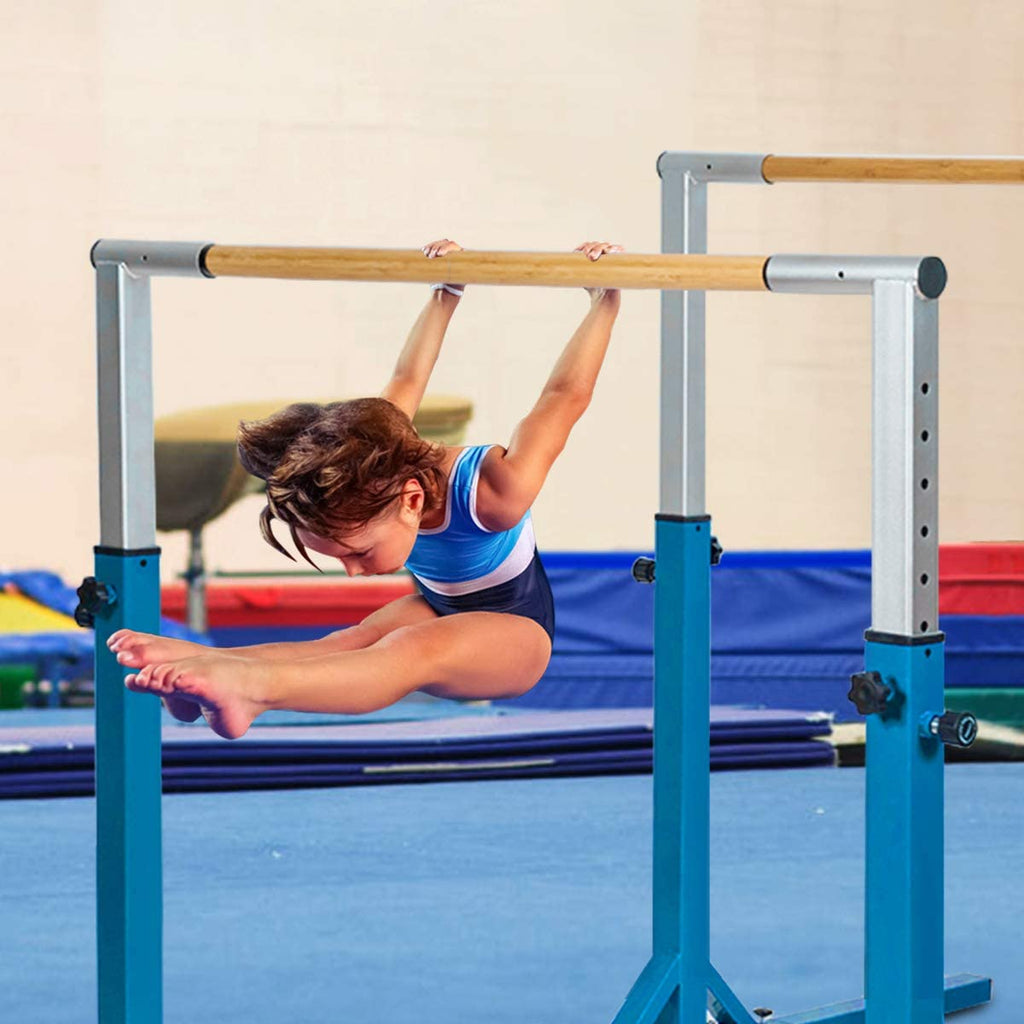
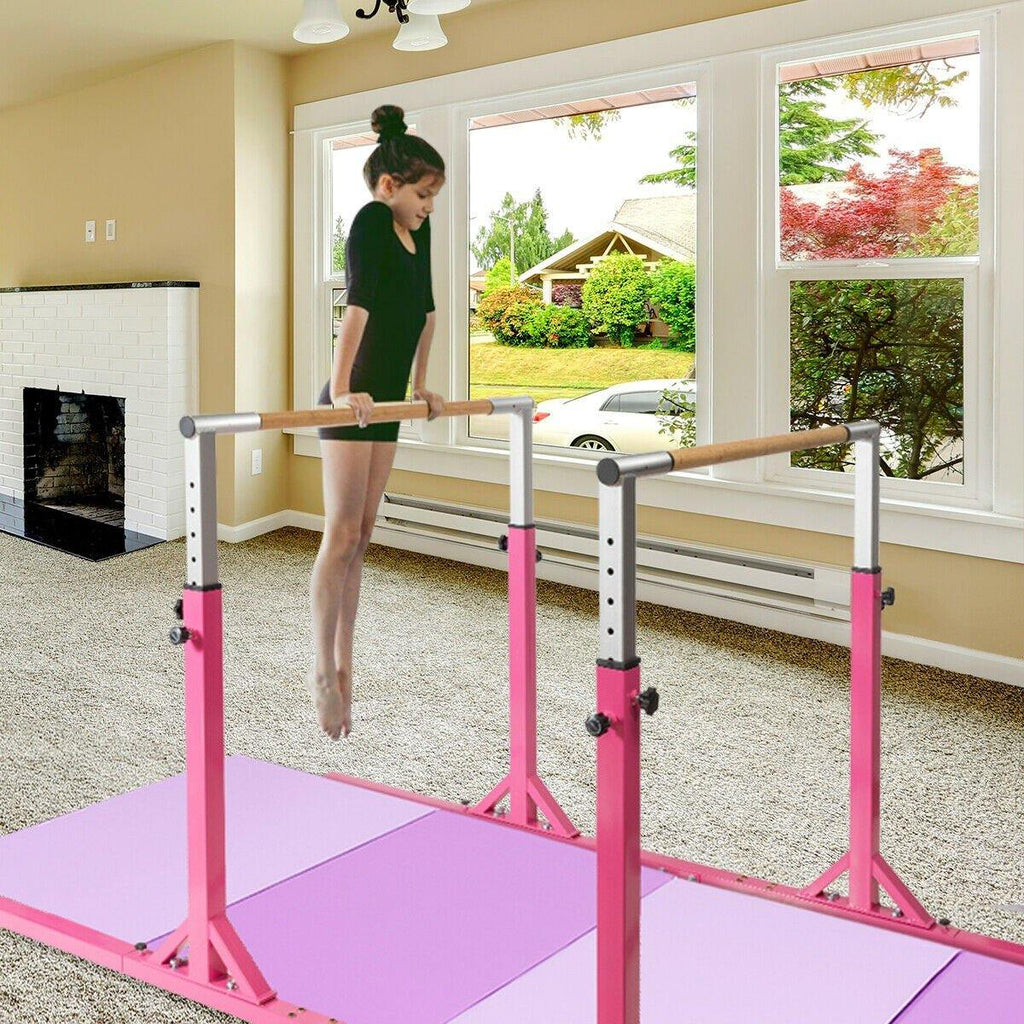
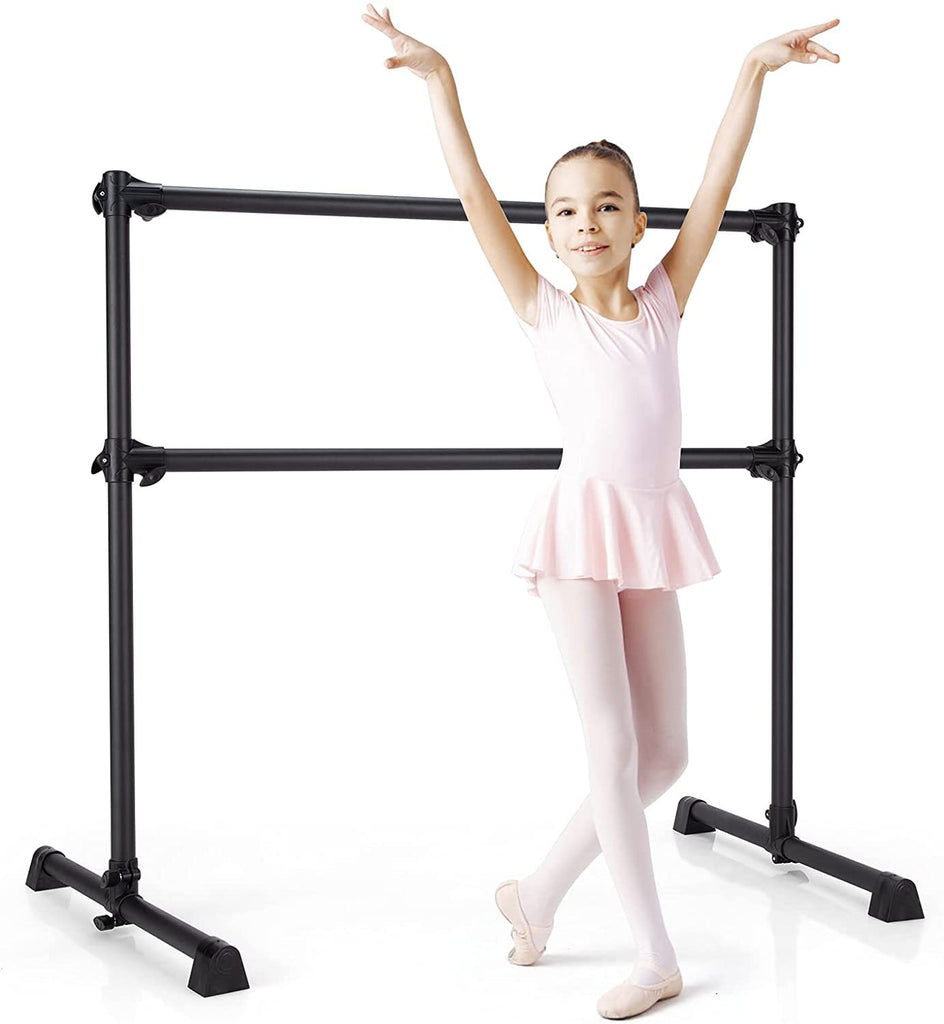
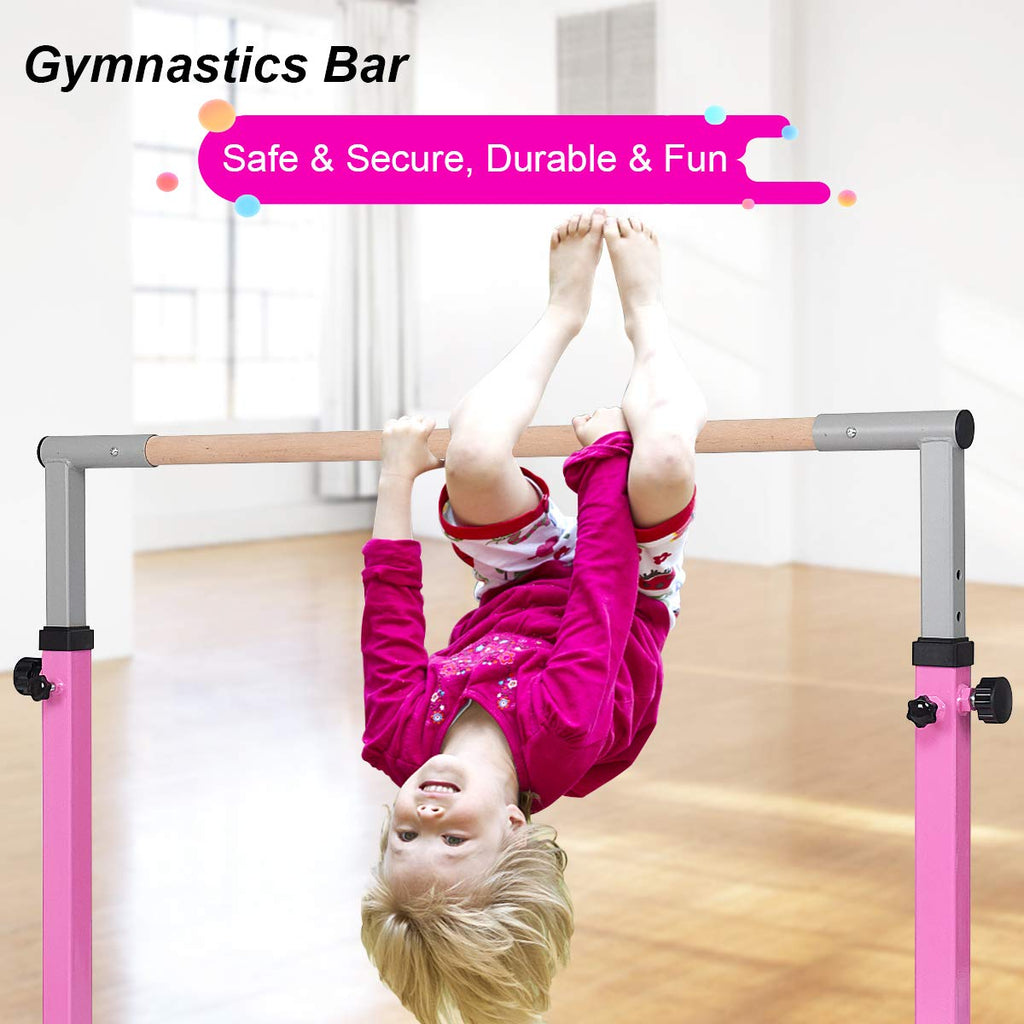
Gymnastic training bars are essential equipment for gymnasts of all levels, providing a platform to practice and perfect various skills, from basic kips to advanced routines.
Buying Guide for Gymnastic Training Bars:
Types of Bars:
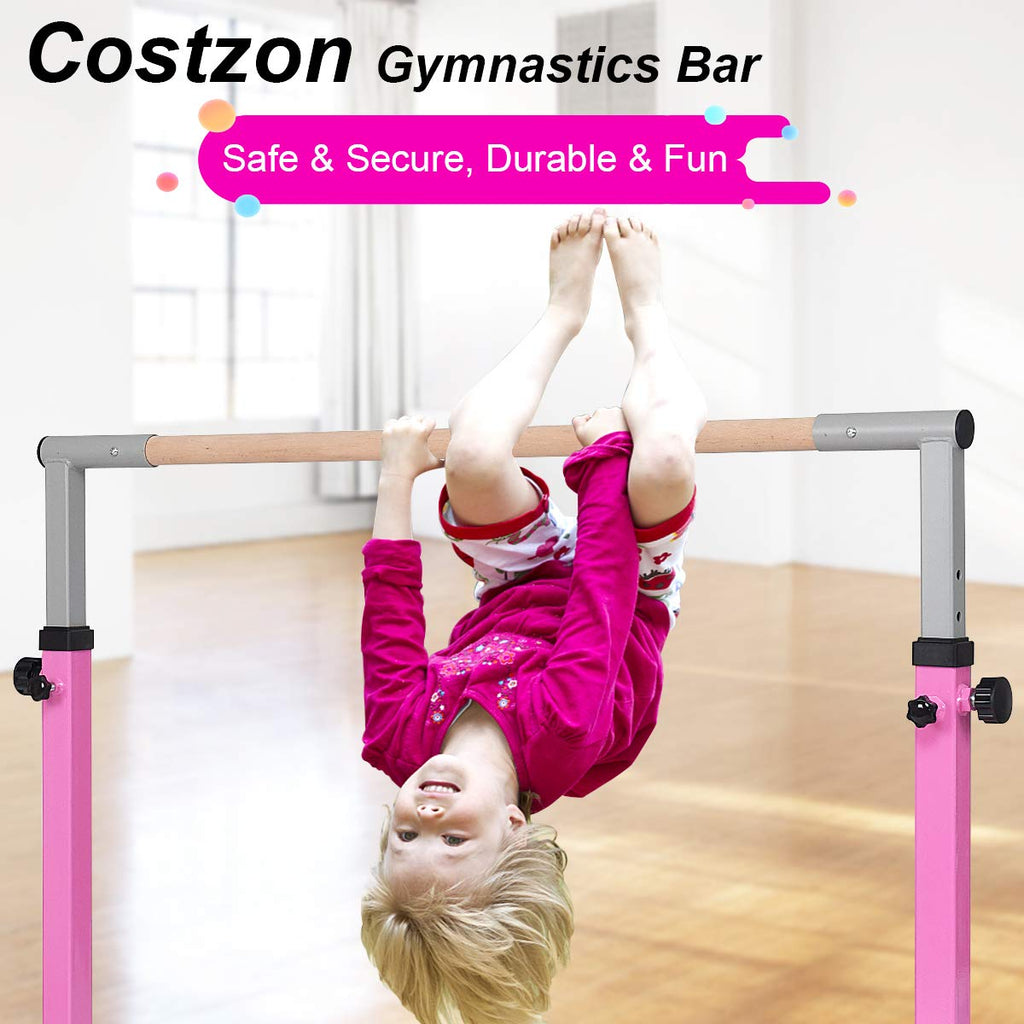
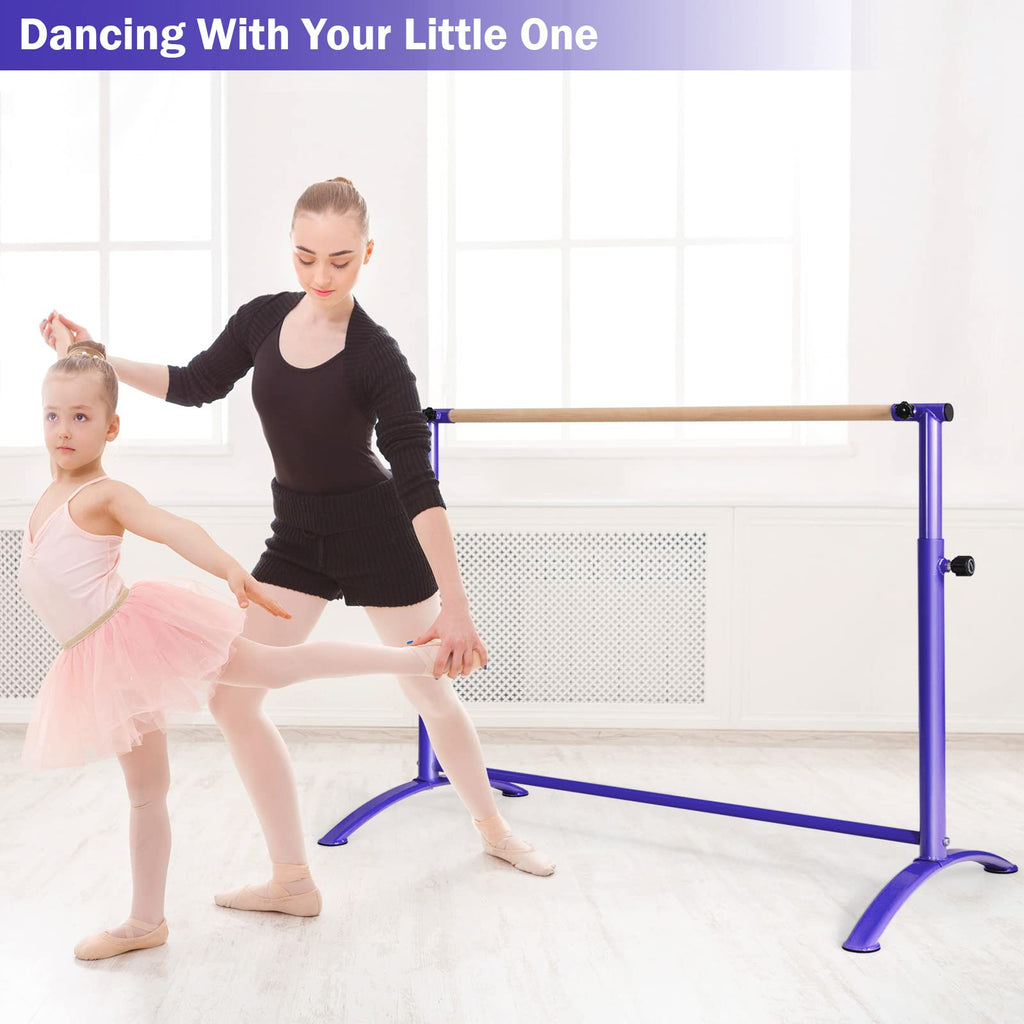
- Single Horizontal Bars: Ideal for beginners to practice fundamental skills.
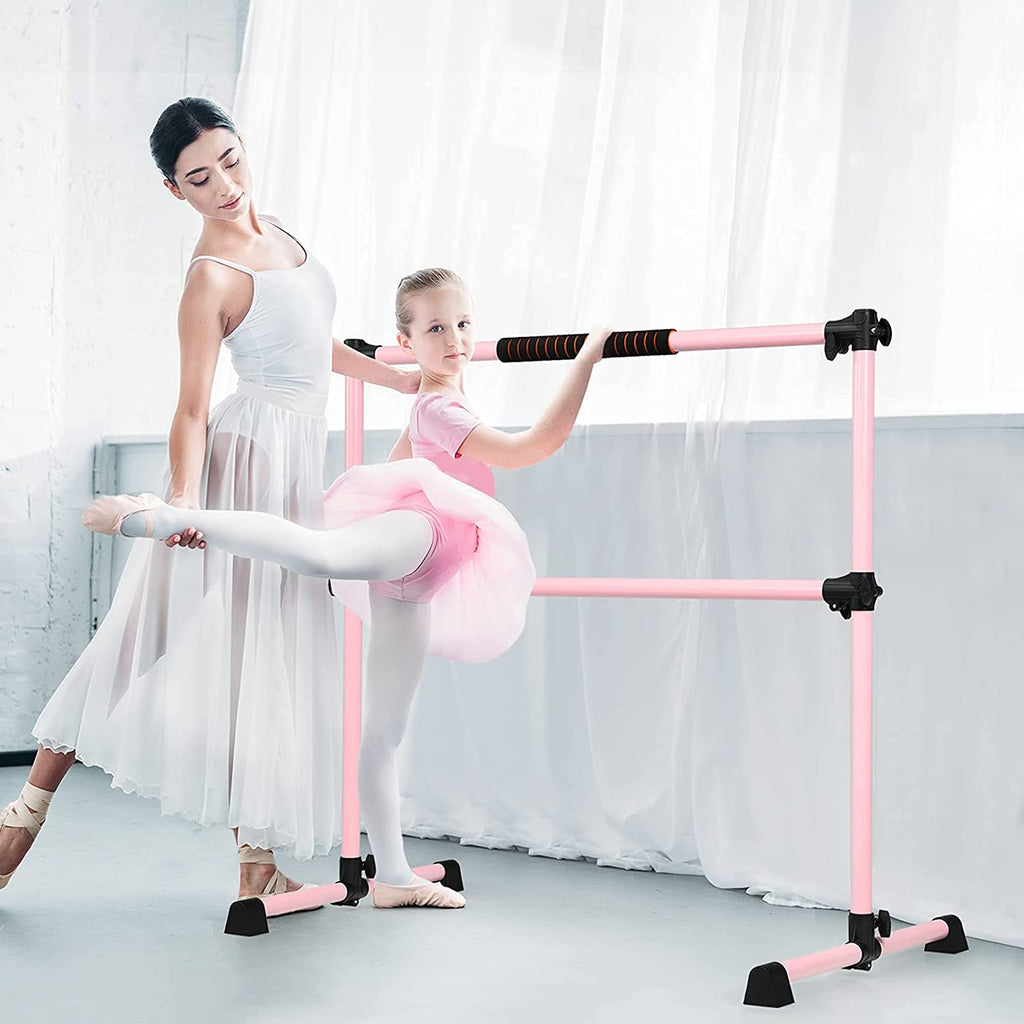
- Double Horizontal Bars (Parallel Bars): Suitable for advanced routines and strength training.
Adjustability:
- Height Adjustment: Ensure the bar's height can be modified to accommodate different users and skill levels.
- Width Adjustment (for Parallel Bars): Adjustable width settings cater to various body sizes and training needs.
Weight Capacity:
- Select a bar that supports the user's weight, including the dynamic forces during exercises.
Material and Construction:
- Frame Material: High-quality steel frames offer durability and stability.
- Bar Material: Wooden or composite bars provide a comfortable grip and are standard in professional settings.
Safety Features:
- Stability: A robust base prevents tipping; look for designs with triangular brackets or welded supports.
- Locking Mechanisms: Secure locks ensure the bar remains fixed during use.
Space Considerations:
- Dimensions: Measure your available space to ensure the bar fits comfortably, allowing safe movement around it.
- Portability: If needed, choose bars that are easy to assemble, disassemble, and store.
Intended Use and Skill Level:
- Beginners: Single horizontal bars with lower height settings are suitable for learning basic skills.
- Intermediate to Advanced Users: Parallel bars with adjustable settings cater to more complex routines.
By considering these factors, you can select a gymnastic training bar that aligns with your training goals, space availability, and safety requirements, ensuring a productive and enjoyable gymnastics experience.